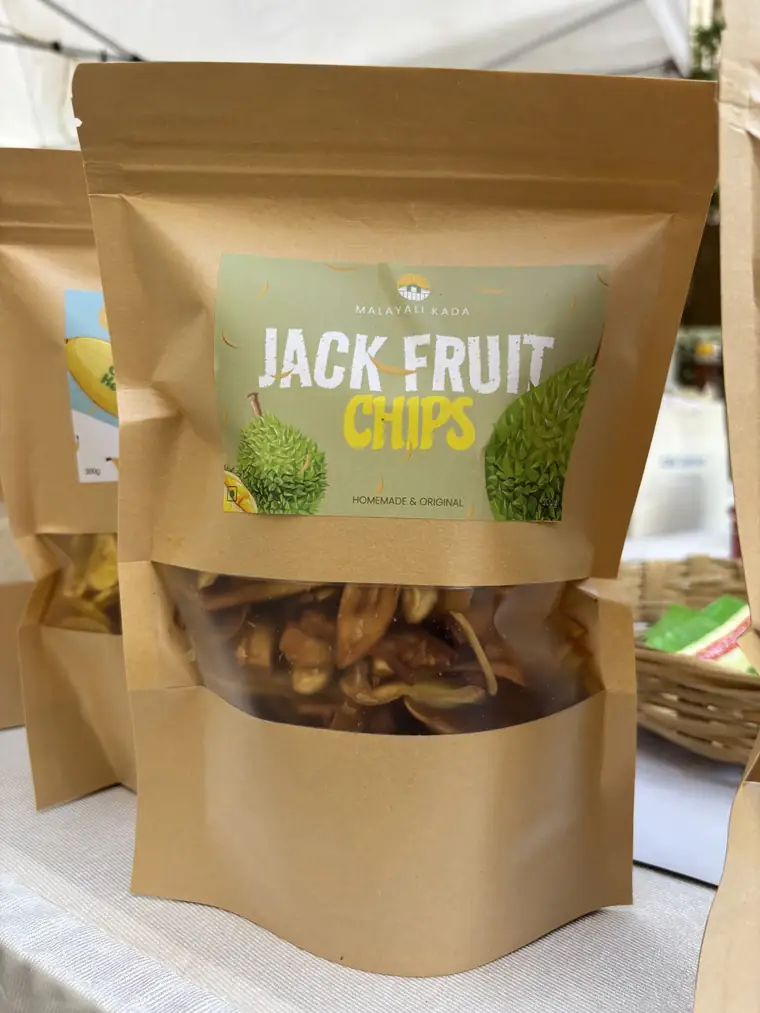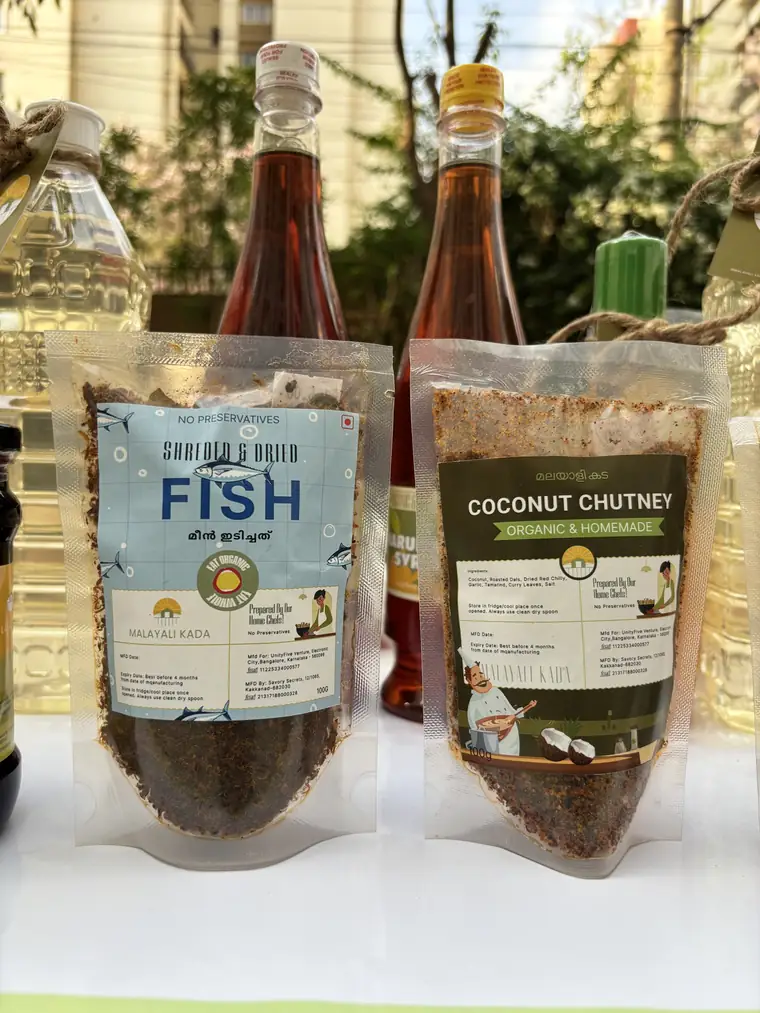
A Kerala food store in Bangalore, designed and built from a society stall to 300+ families.
Kerala food was easy to buy in Bangalore. Knowing who made it was not. Five of us built a store that names the maker on every product, delivers once a week on purpose, and now reaches 300+ families across 49 communities.

We are five working professionals from Kerala living in Bangalore. What reached us here came through supermarkets, online stores and ten minute apps: refined coconut oil, chilli powder with added colour, pickles that had waited months in a warehouse. The taste was drifting, and there was no way to know who had made any of it.
Quick commerce had made speed the thing every food brand competed on. Malayali Kada started as the opposite bet: that people would wait a week for food they could trace to a kitchen in Kerala.
A person from Kerala who speaks Malayalam, and carries its traditions.
The shop where those traditions come alive. The name is the brief.
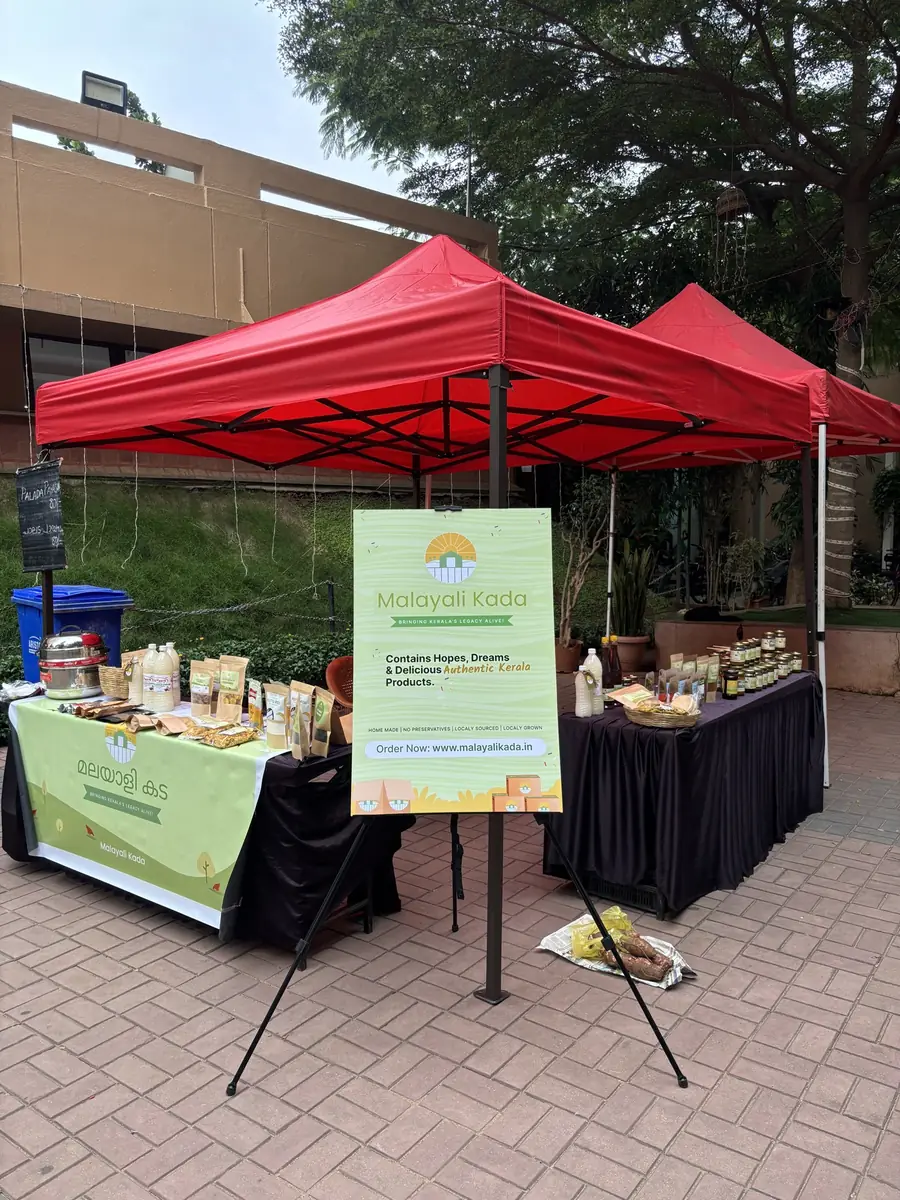
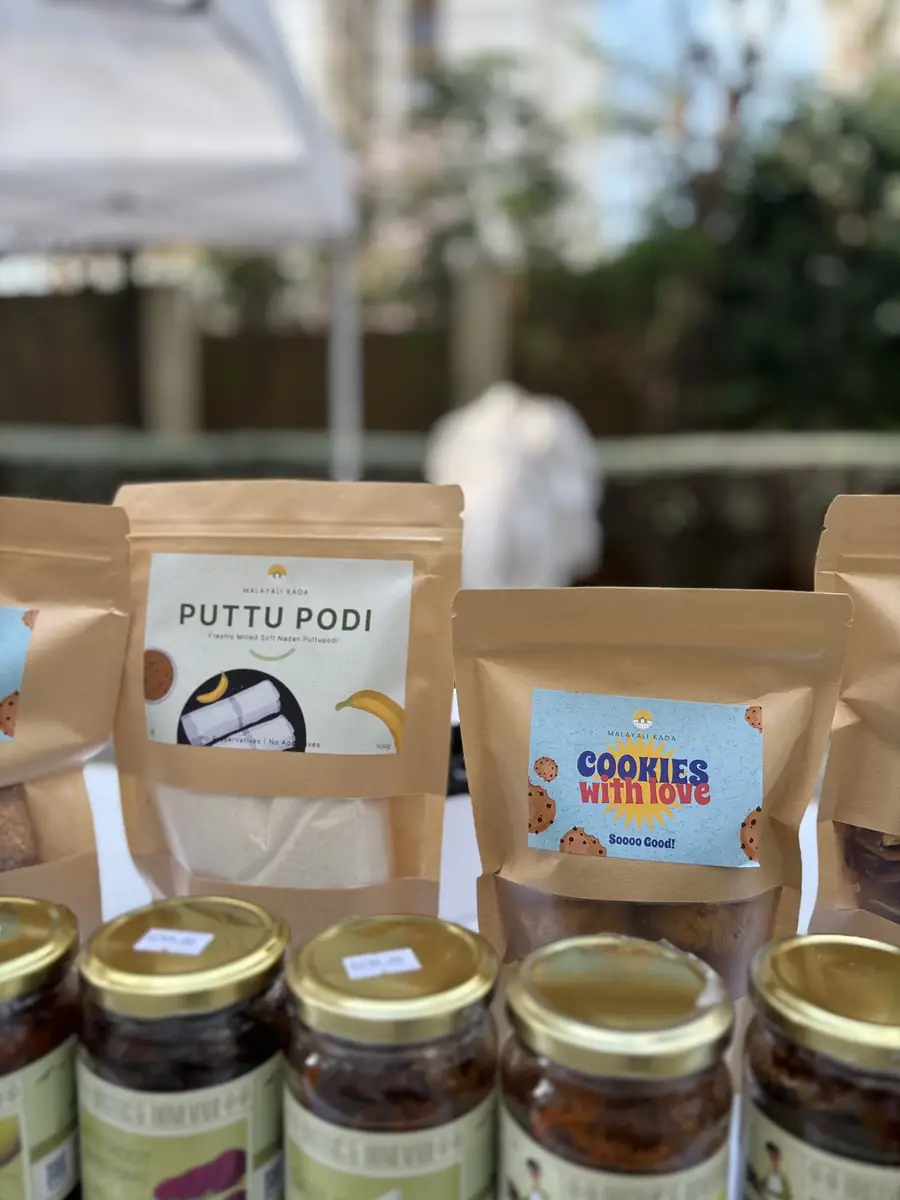
It began with things we carried back for ourselves: my mother's pickles, jackfruit seeds from our own farmland, turmeric our neighbour grew, dried and powdered. Friends asked for the extra, then friends of friends. We set up stalls at society events and sold in small quantities. That became a WhatsApp community with a catalogue and weekend delivery, and only then a website.
For us, then for friends who asked.

The first time strangers paid.

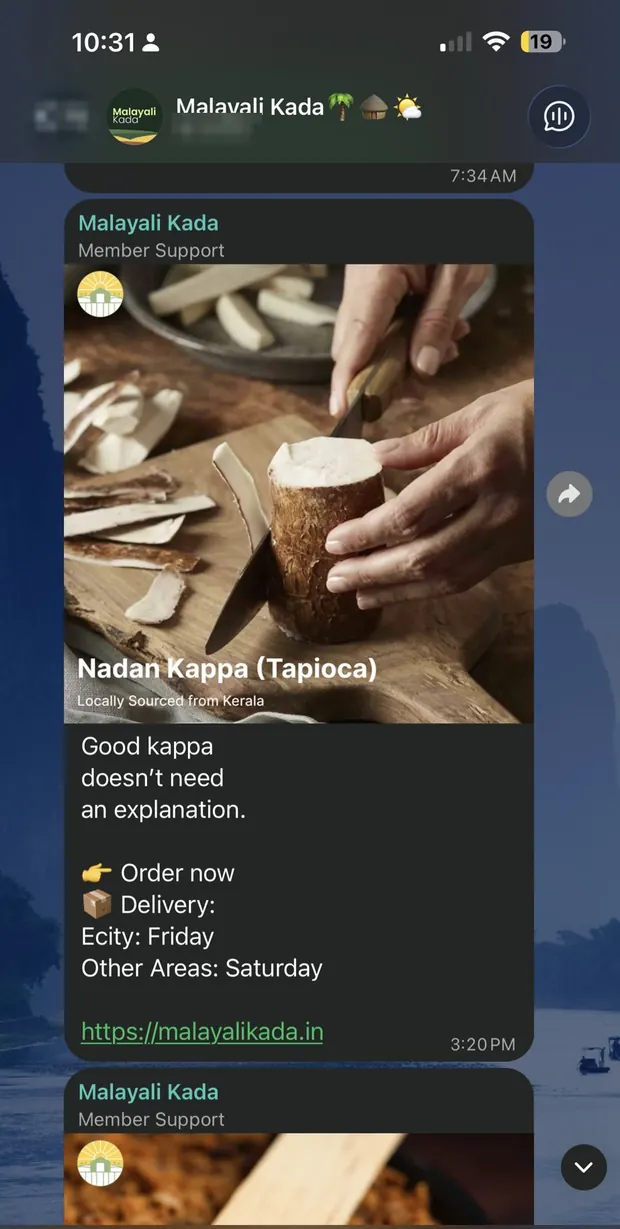
Orders in the week, delivery at the weekend.

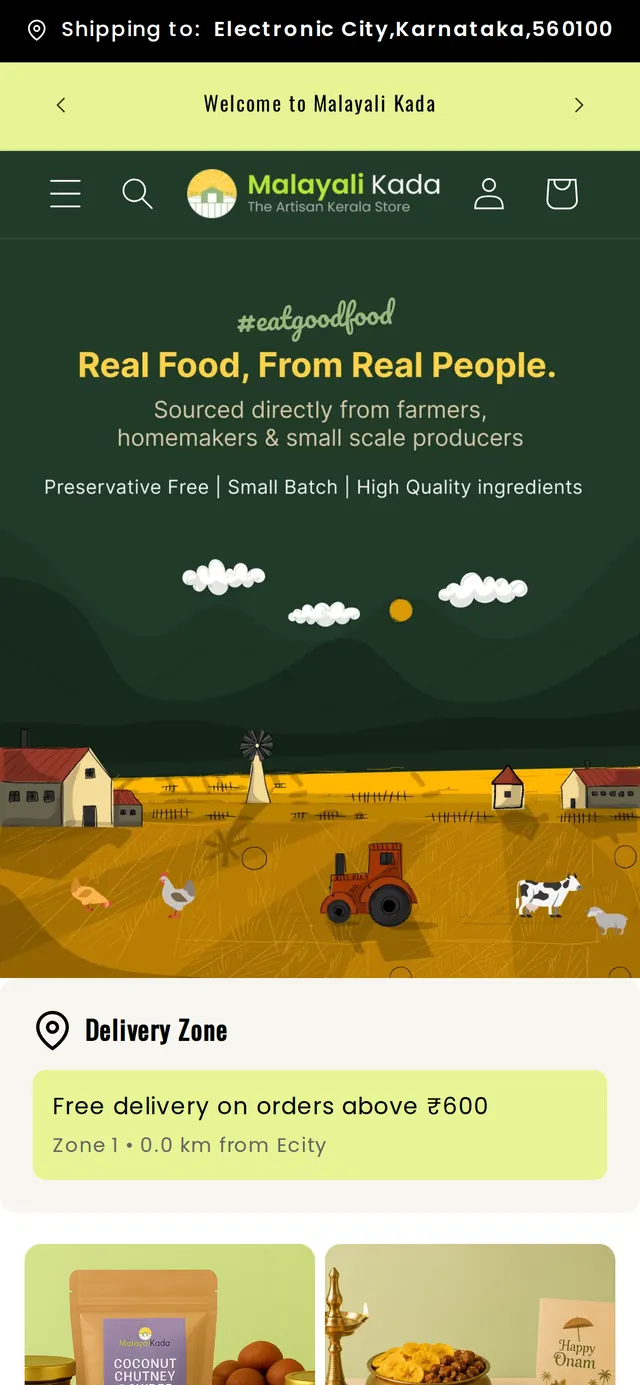
Built once the orders outgrew a chat.
Every app was racing to ten minutes. We decided to take a week, and make the wait the proof.
Weekend delivery only. Batches of 3 to 4 kg. Nothing gets listed until the Tasters Club has lived with it.
Not a factory line. Small enough that every jar tastes like the kitchen it came from.

Founders, families and friends cook with every new product at home. It is listed only if they approve it.
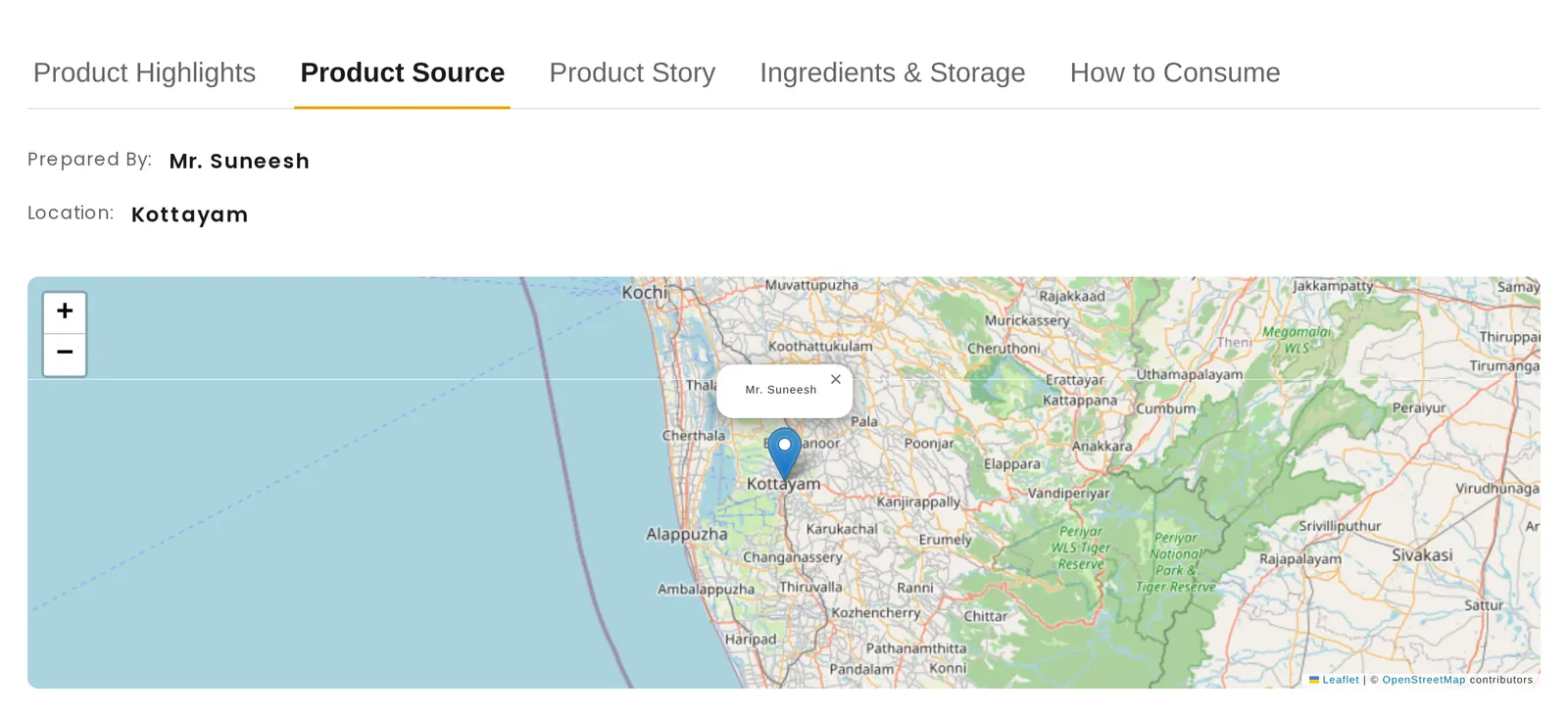
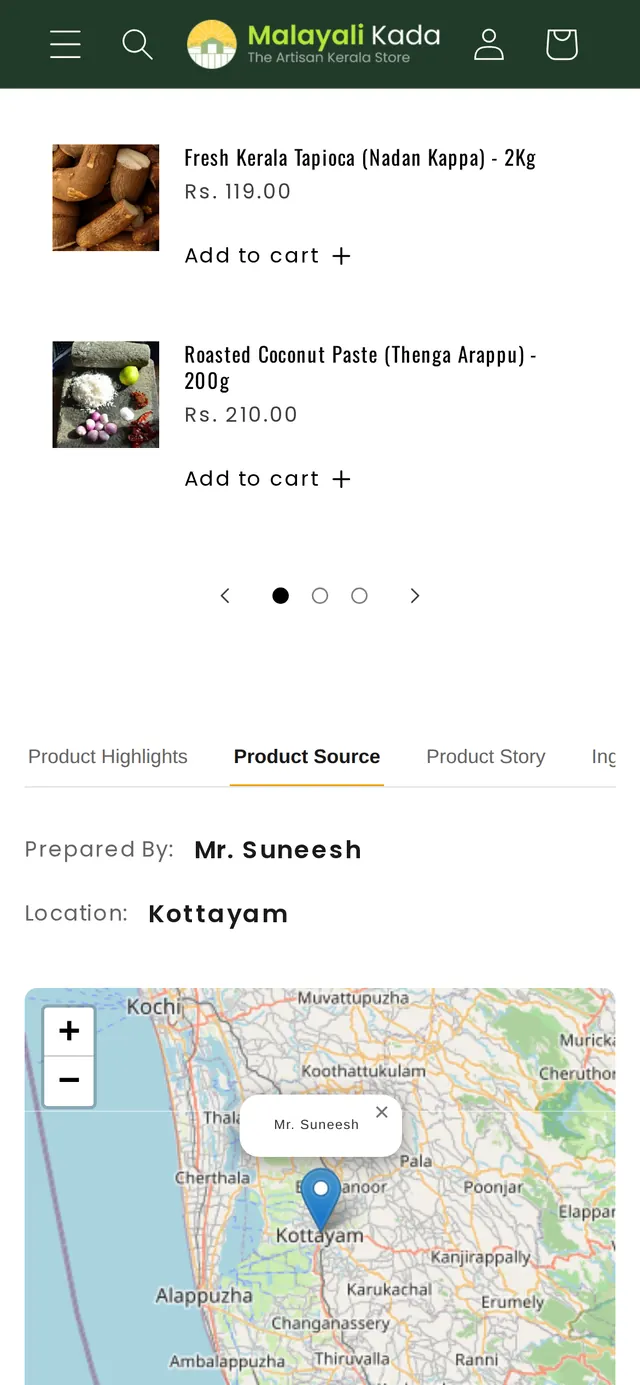
The Product Source tab says who prepared it and pins where. Decision 1 below.
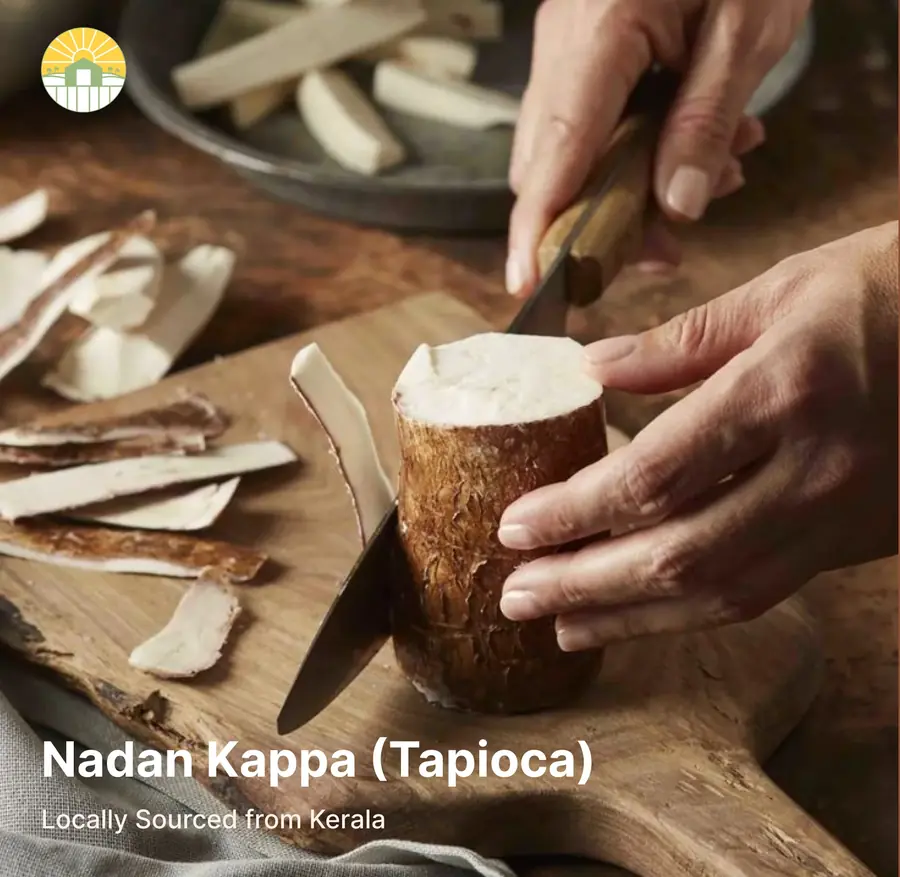
Kappa and bananas are bought in Kerala on Friday morning, against those orders, and delivered the same day.
Into a member's hands, with the label facing up.
When it is gone, it is gone until the next one is ready. Sold out tags on the store are the visible cost of that promise.
Five people with day jobs, selling trust to a city that is used to getting food in ten minutes.
We got each of these wrong before we got them right. I keep the details off this page because they involve other people's money and livelihoods, and I'm glad to walk through them in conversation.
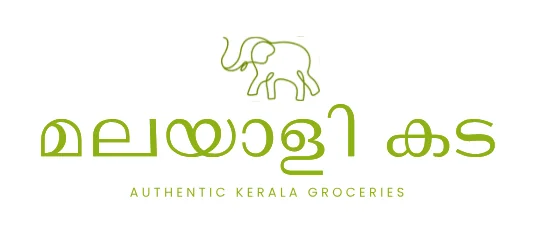
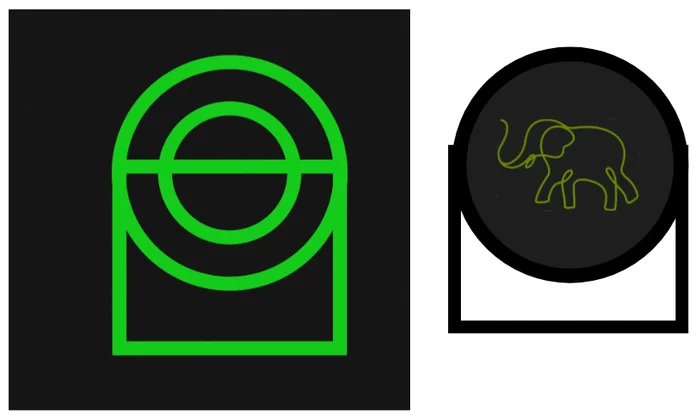
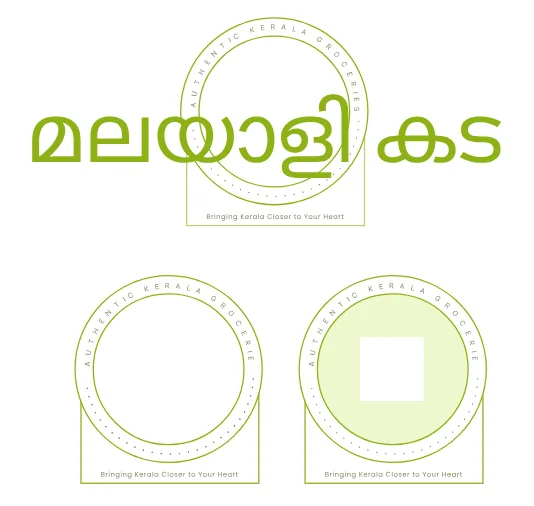
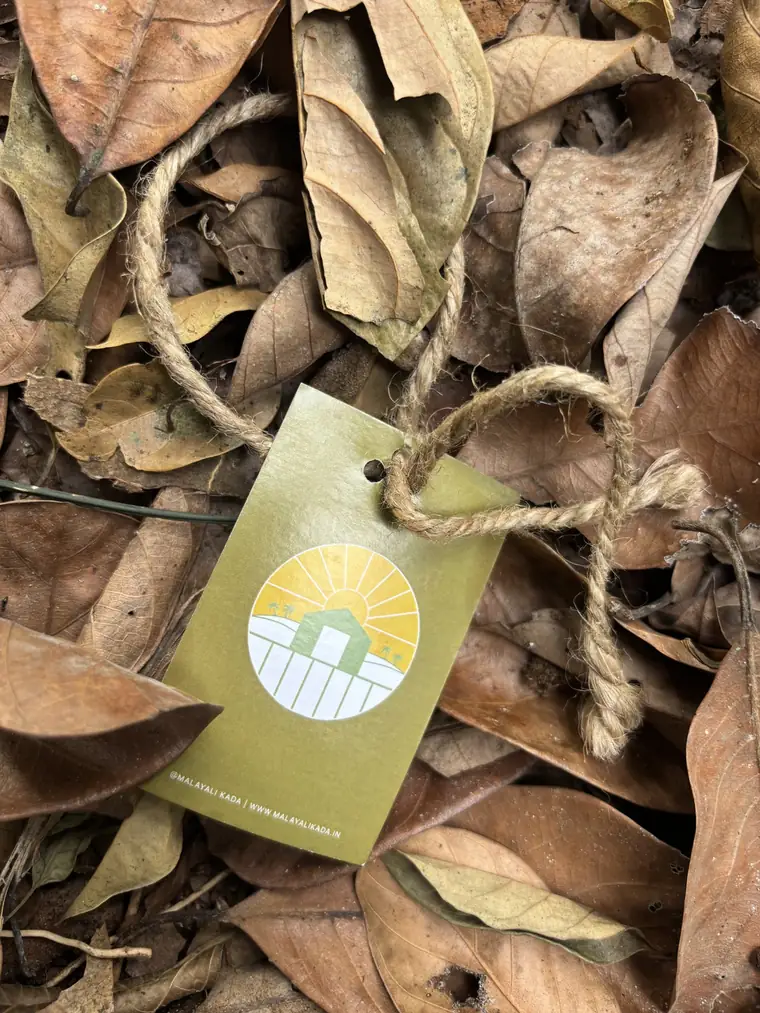
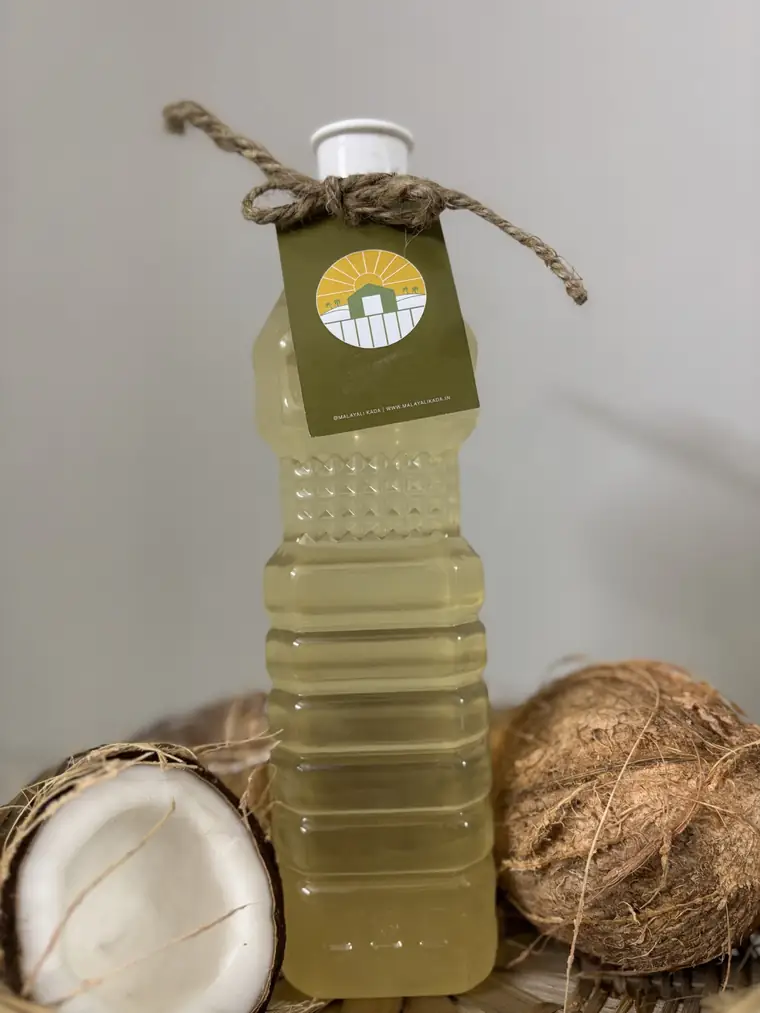
Early routes reached for shorthand: an elephant, a monogram, a seal, over the descriptor "Authentic Kerala Groceries". The mark we kept is a Kerala gramam, an ordinary village with coconut palms and hills around a small home, under a rising sun. The descriptor moved from groceries to "The Artisan Kerala Store", because we curate, we don't stock shelves.

Elephant and Malayalam wordmark. "Groceries" as the promise.

Geometric arch monogram, and the elephant as a seal.

Circular badge seals around the wordmark.

A Kerala gramam: a village, a home, a sunrise. Food from a house, not a factory.


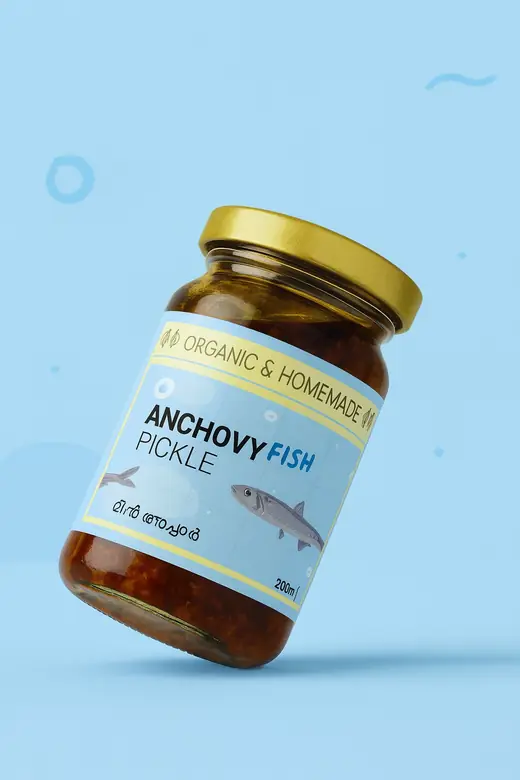
I wrote the Product Source tab as custom code on top of Shopify. It shows who prepared the item and pins where on a map. The anchovy pickle is Mr. Suneesh's, from Kottayam, and the Product Story tab tells how he makes it. A ten minute app shows a price and an arrival time. This page shows a kitchen.


Captured from the live store, 10 September 2026.
With the member's location, the store measures the distance to our nearest hub, Electronic City or Begur, and assigns a zone. The zone sets the free delivery threshold before a single item is in the cart. Two hubs let five people cover the city from where we already live.


The same widget captured from the live store at four Bangalore addresses. Each zone also changes the widget colour, from lime to grey.
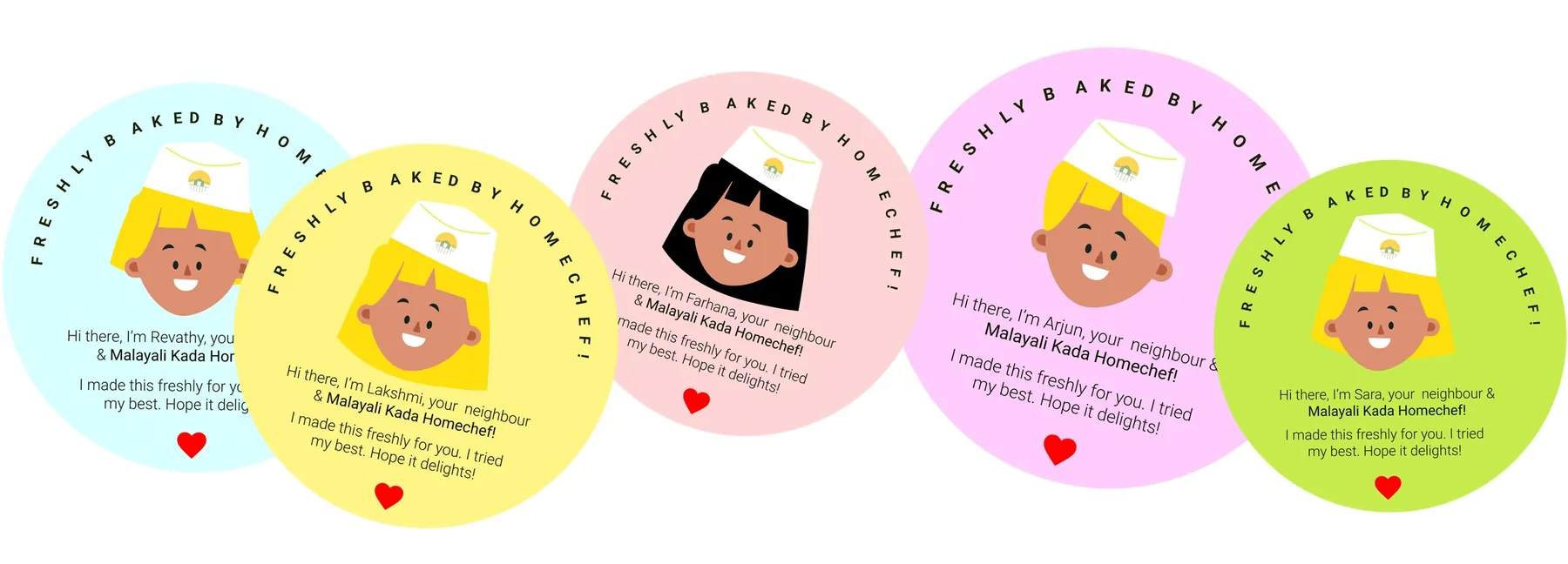
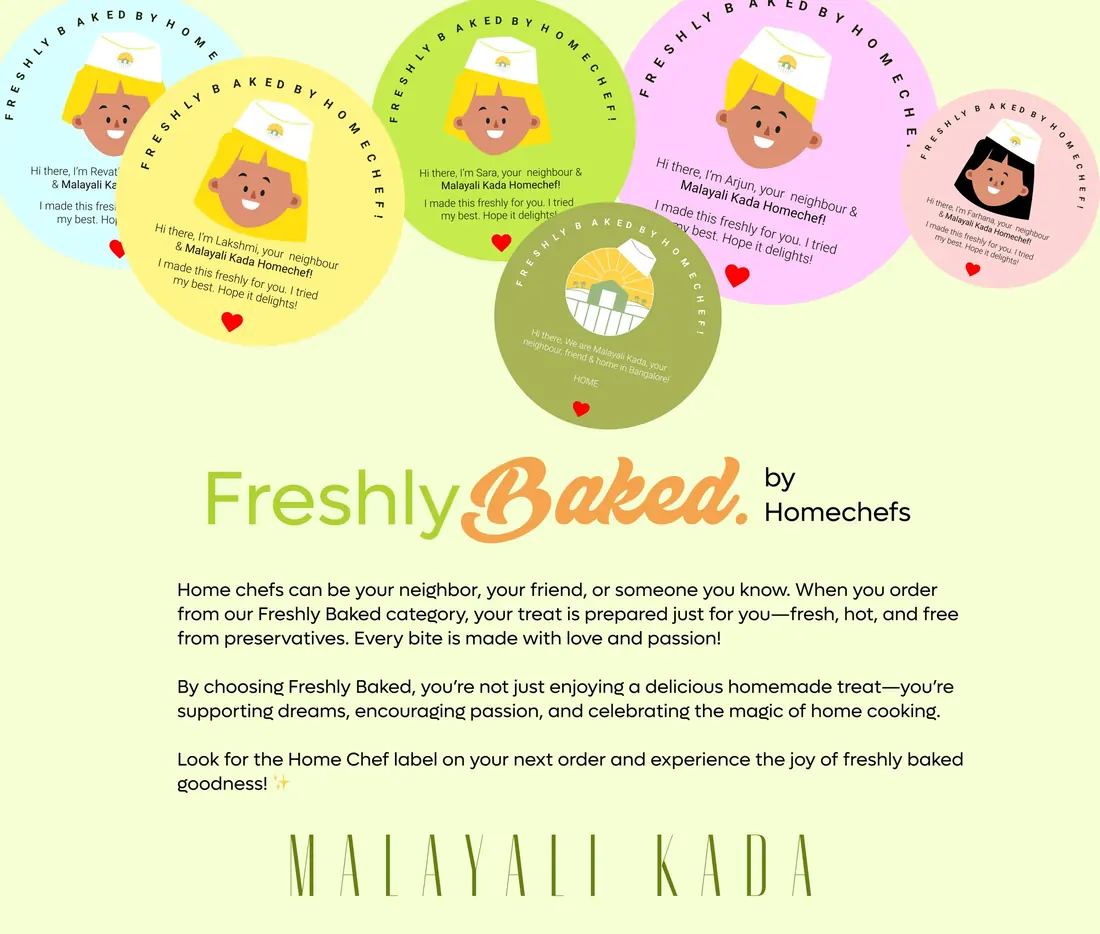
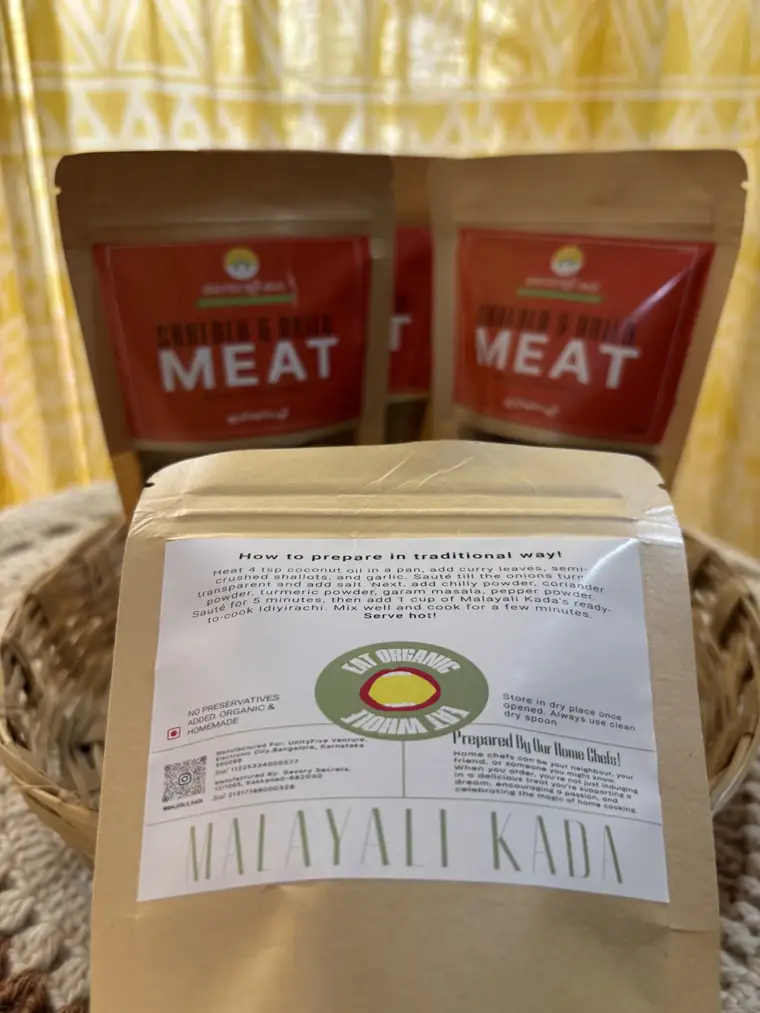
Freshly Made by Homechefs is our preorder program. Cakes, brownies and payasam are cooked only after an order comes in through the WhatsApp order window, then delivered the day they are made. I drew a sticker for each homechef, so the parcel itself says who cooked it: I made this freshly for you.


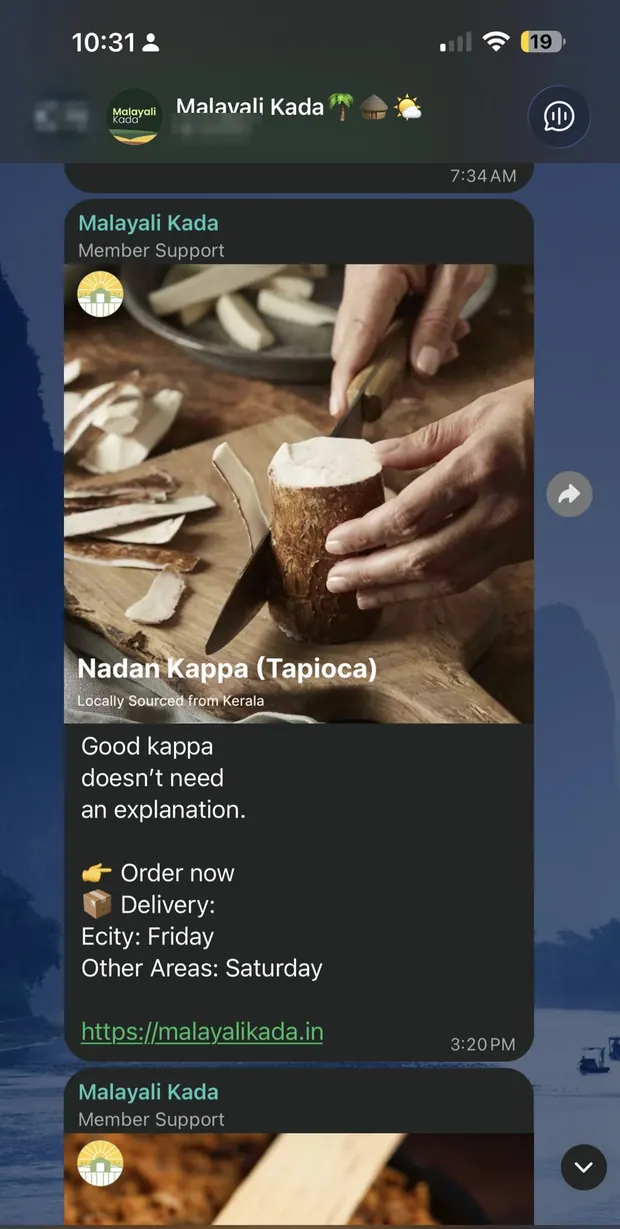
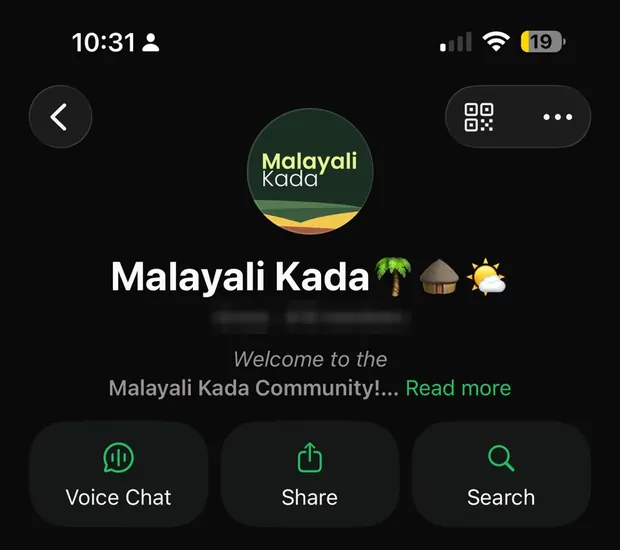
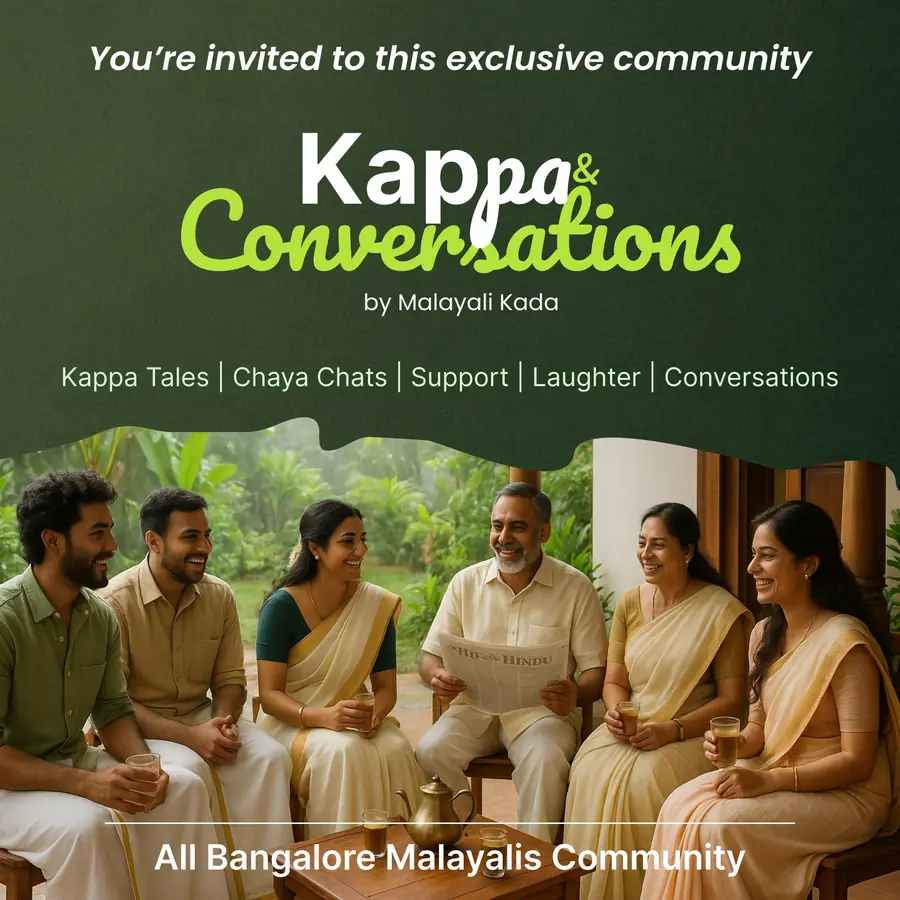
Members were on WhatsApp before the store existed, so I didn't try to move them. Product drops go out as designed posts that link to the store, with delivery days in every message. A second community, Kappa & Conversations, exists only for Malayalis in Bangalore to talk and meet.


Member counts and names are redacted from both screenshots.
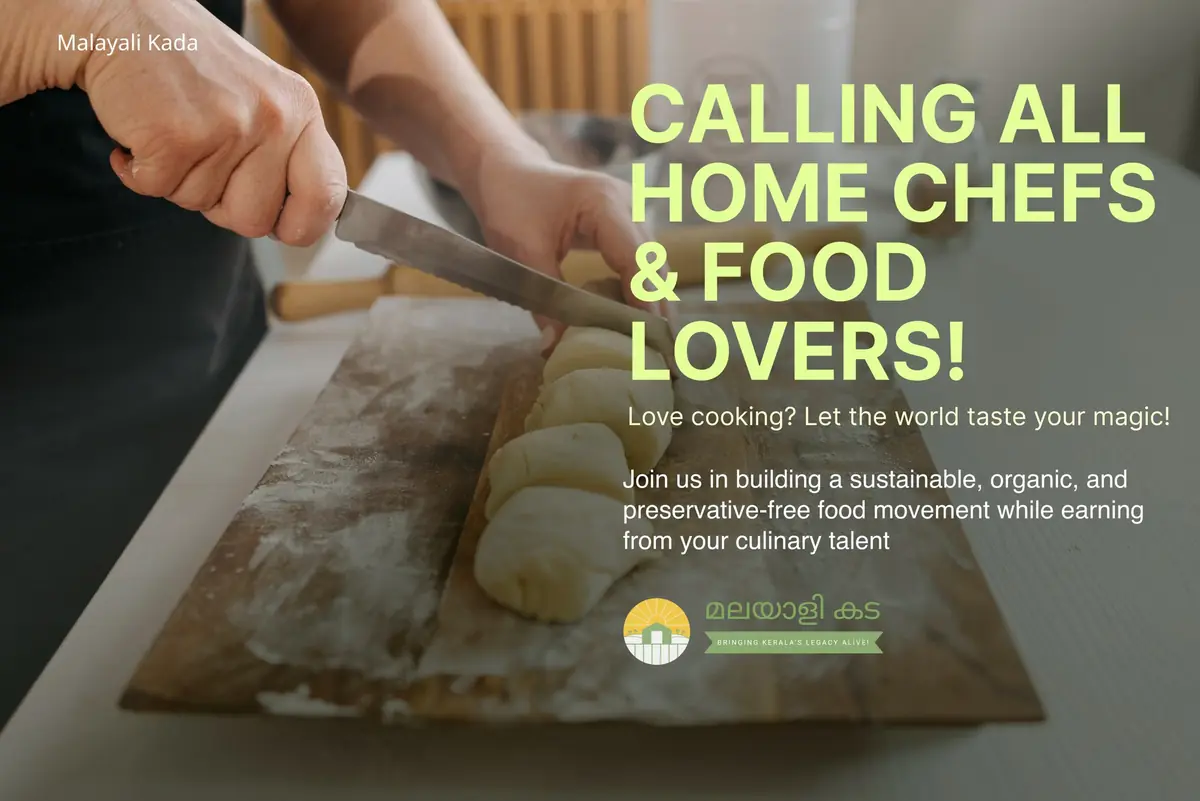
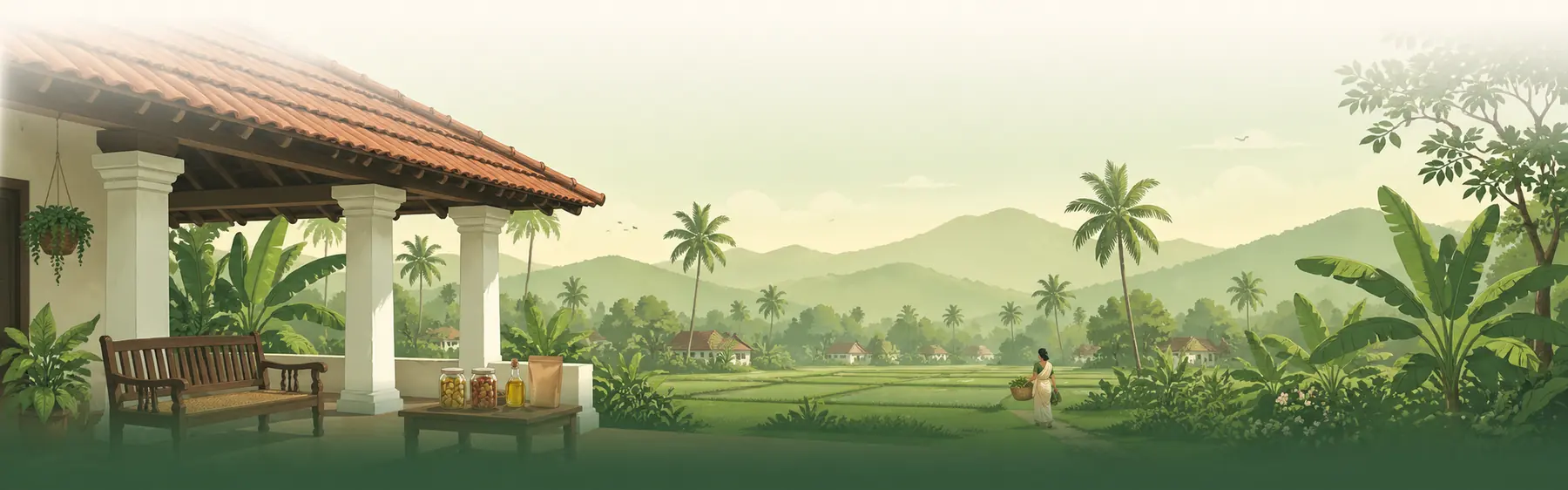
In a Kerala home, the verandah is where visitors are received before they come inside. The Verandah page is where brands, restaurants, PGs and apartment communities come to talk about partnerships, wholesale and festival supply. The store can grow into B2B without turning the home page into a pitch.

The illustration that closes The Verandah page on the live store.
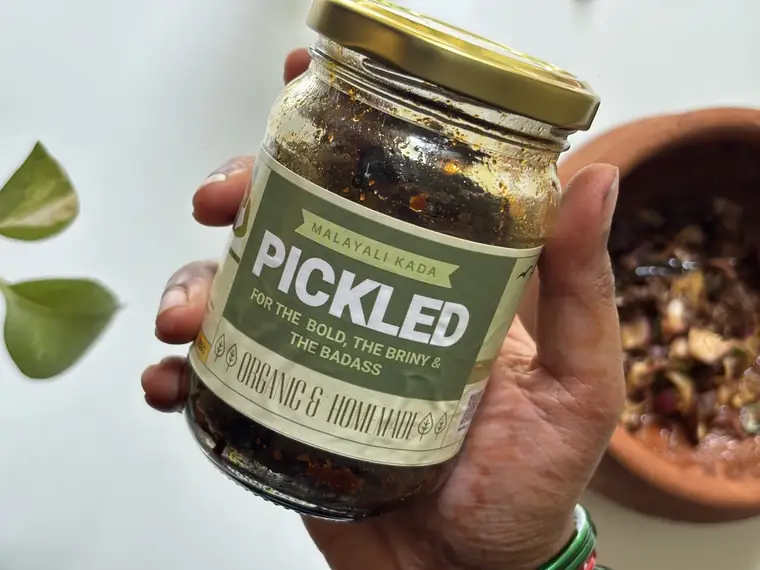
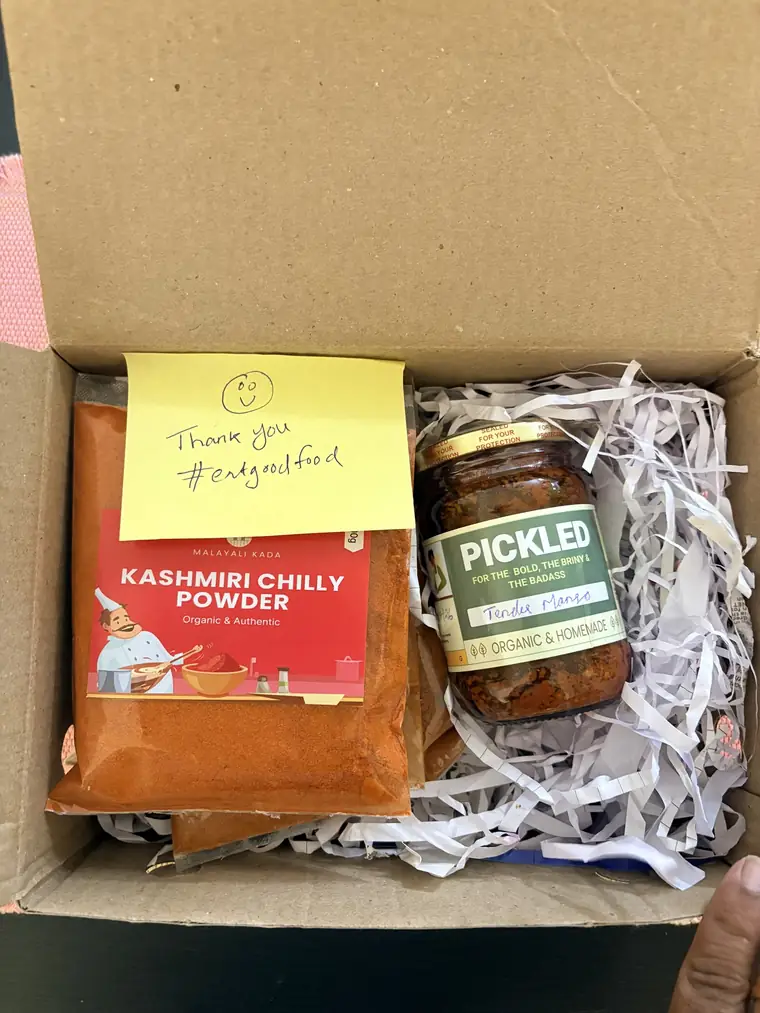
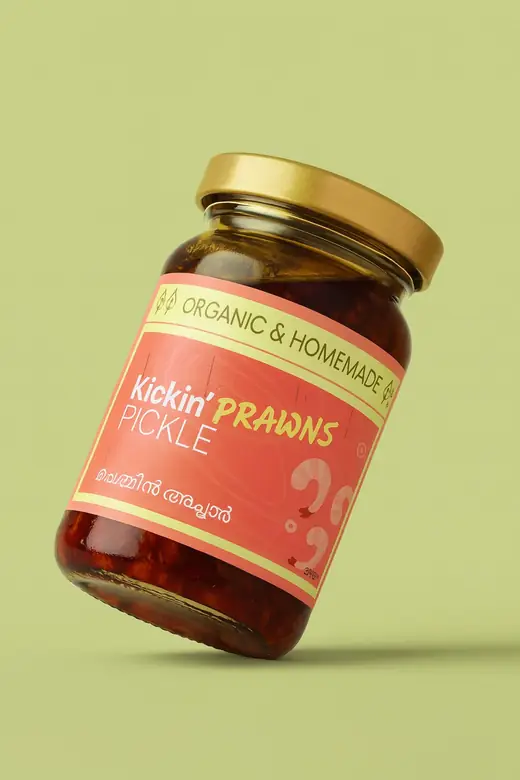
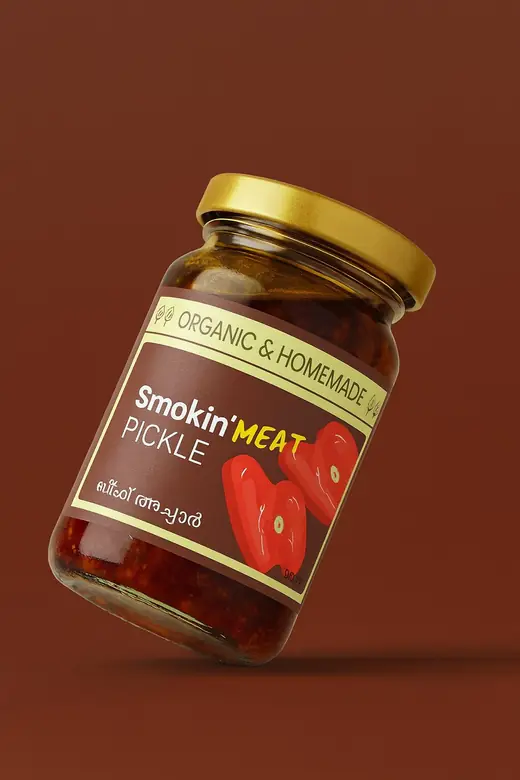
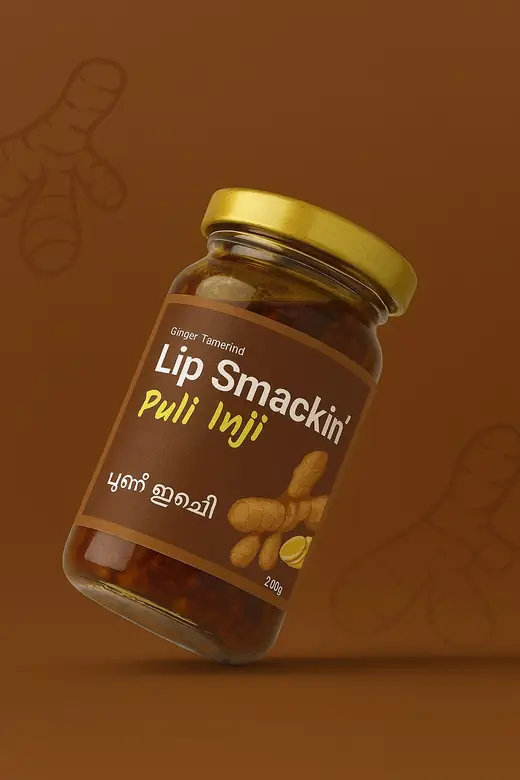
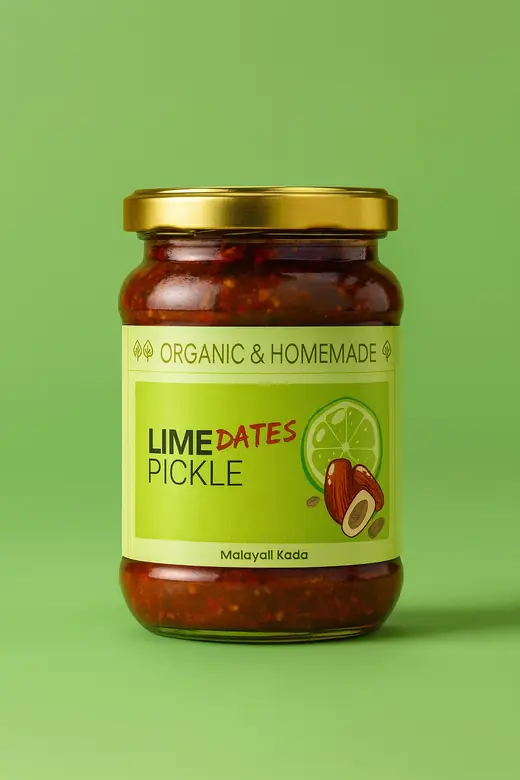
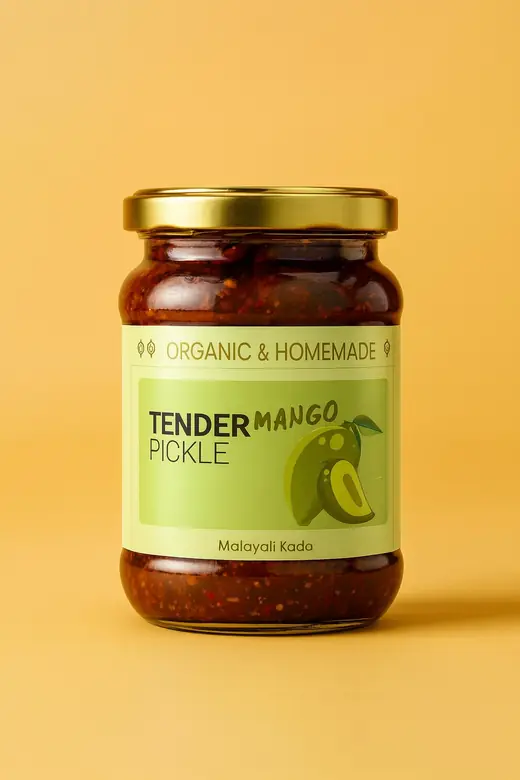
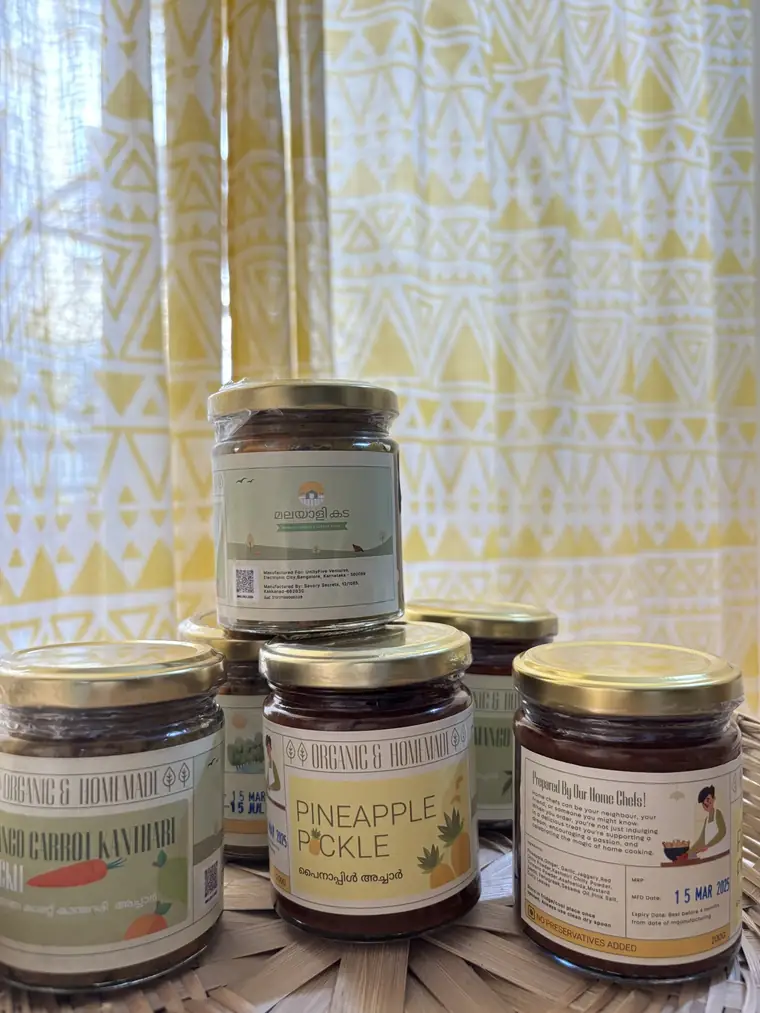
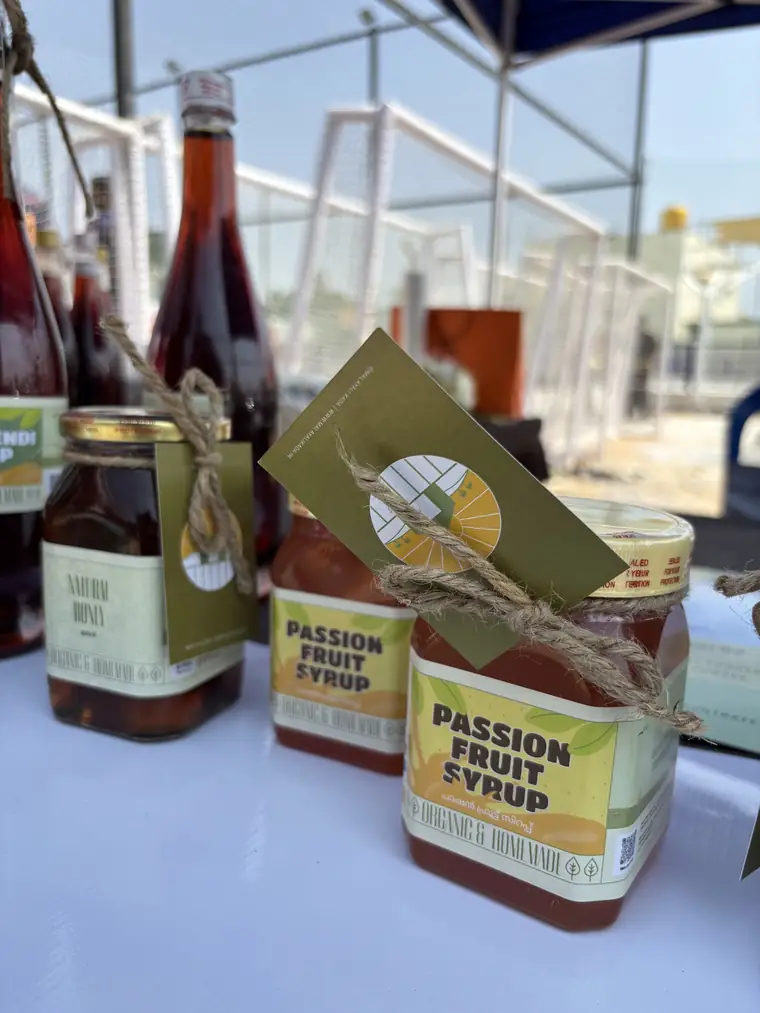
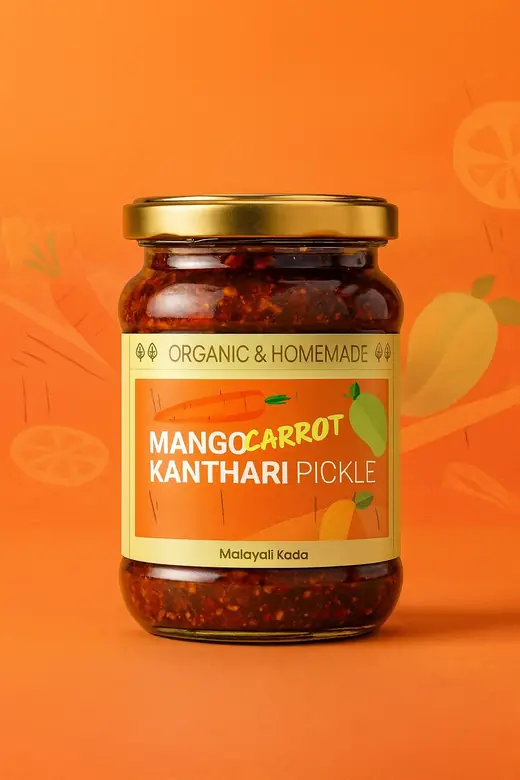
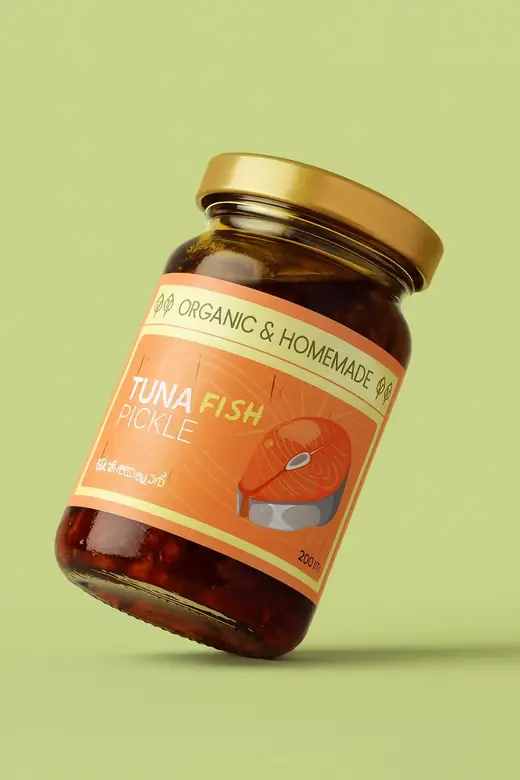
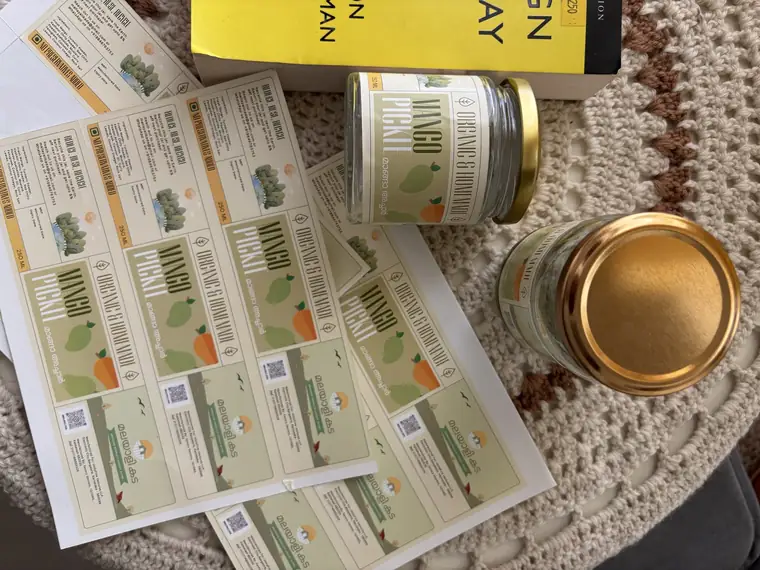
Every pickle gets a name with attitude and its own flavour colour. The frame stays constant, "Organic & Homemade" on the band, the Malayalam name under the English one, so a shelf of eight still reads as one brand. Drag or use the arrows.


Contrast ratios calculated with the WCAG 2.1 relative luminance formula. Two colours fail for body text, so they carry shapes and large type only.


Full page capture, 10 September 2026.
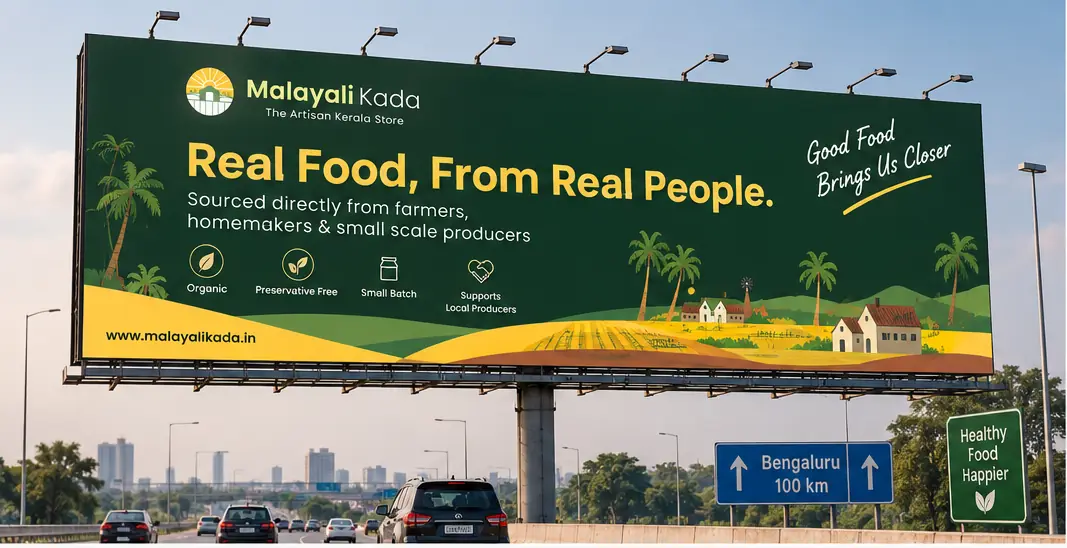
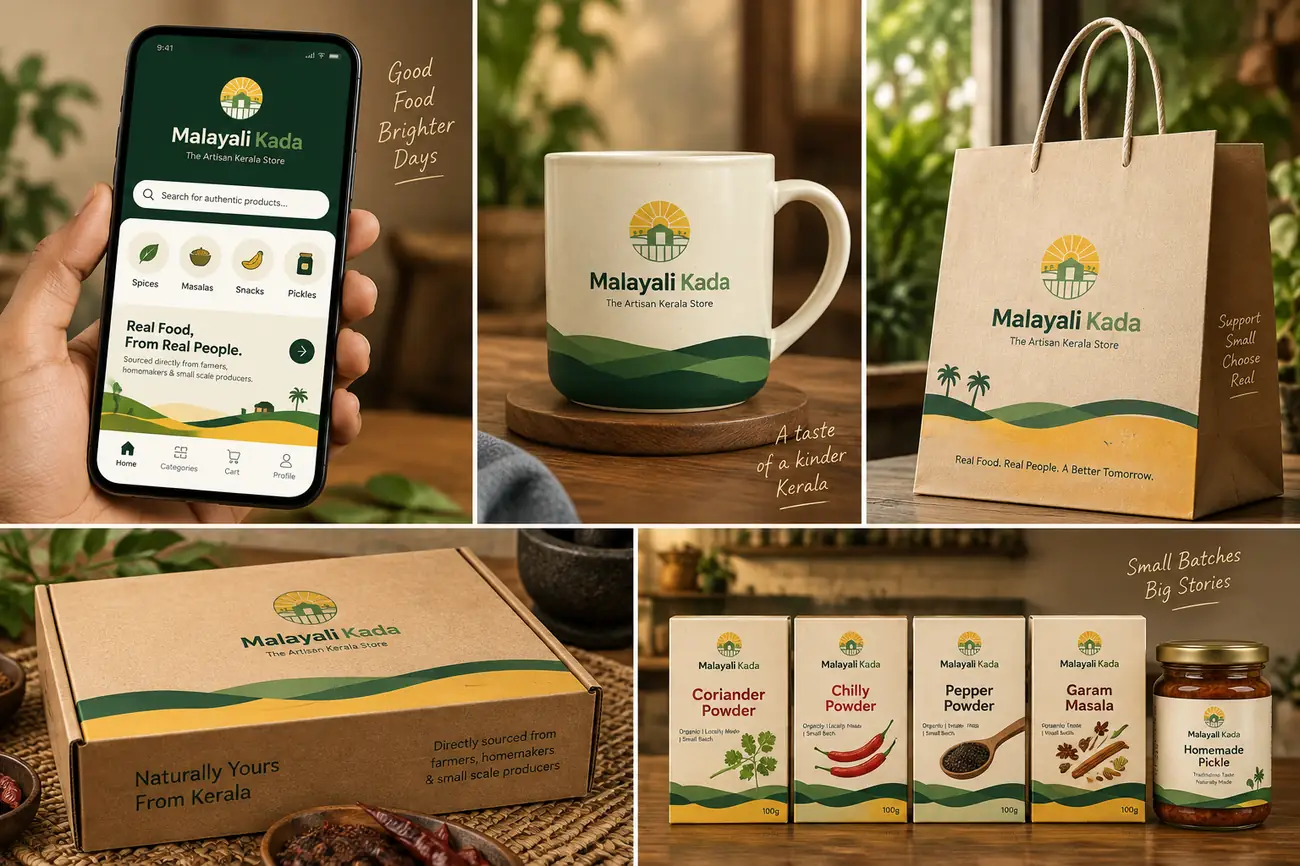
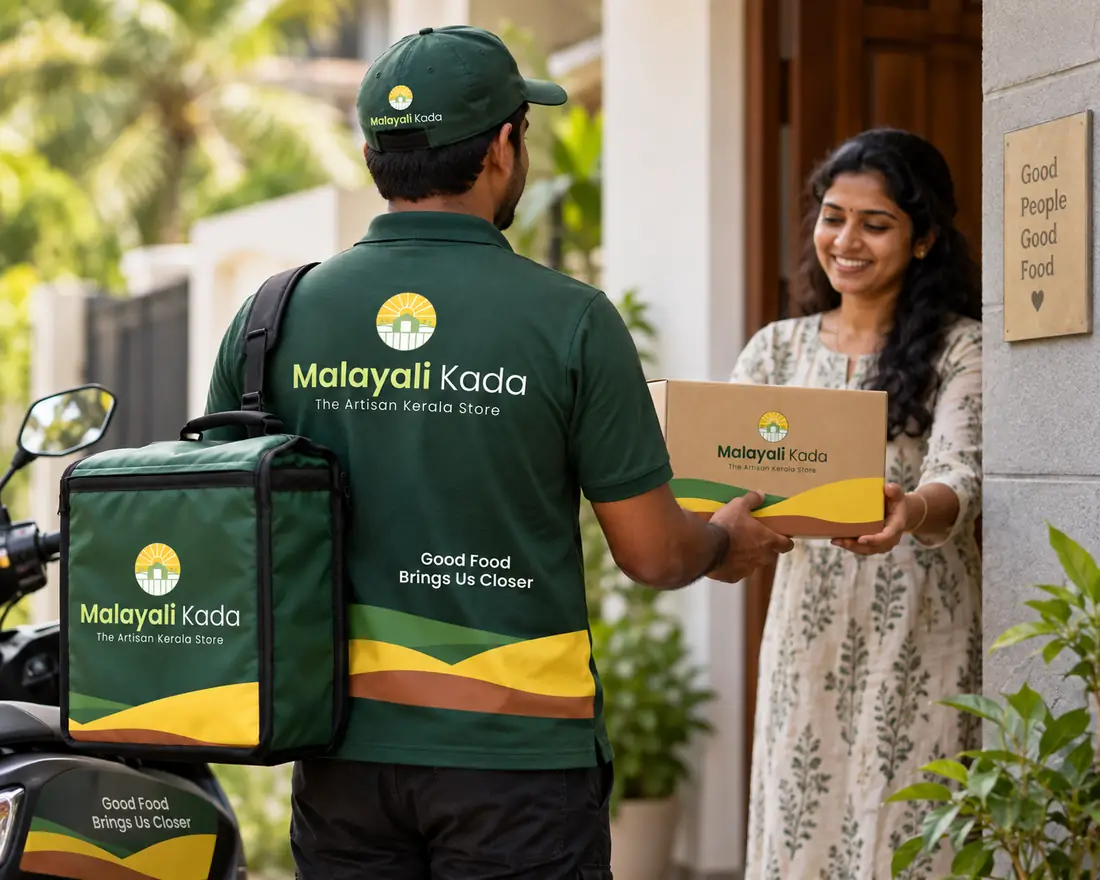
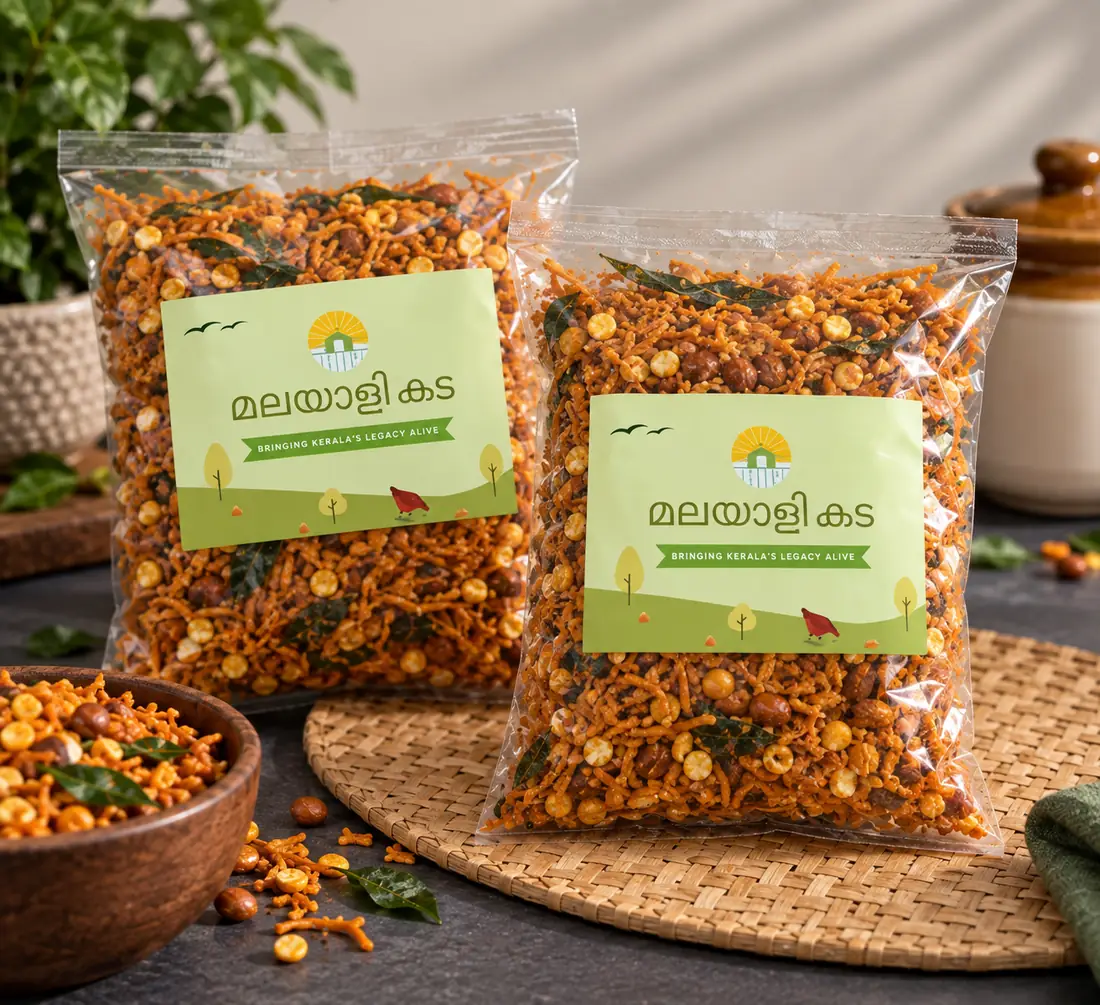
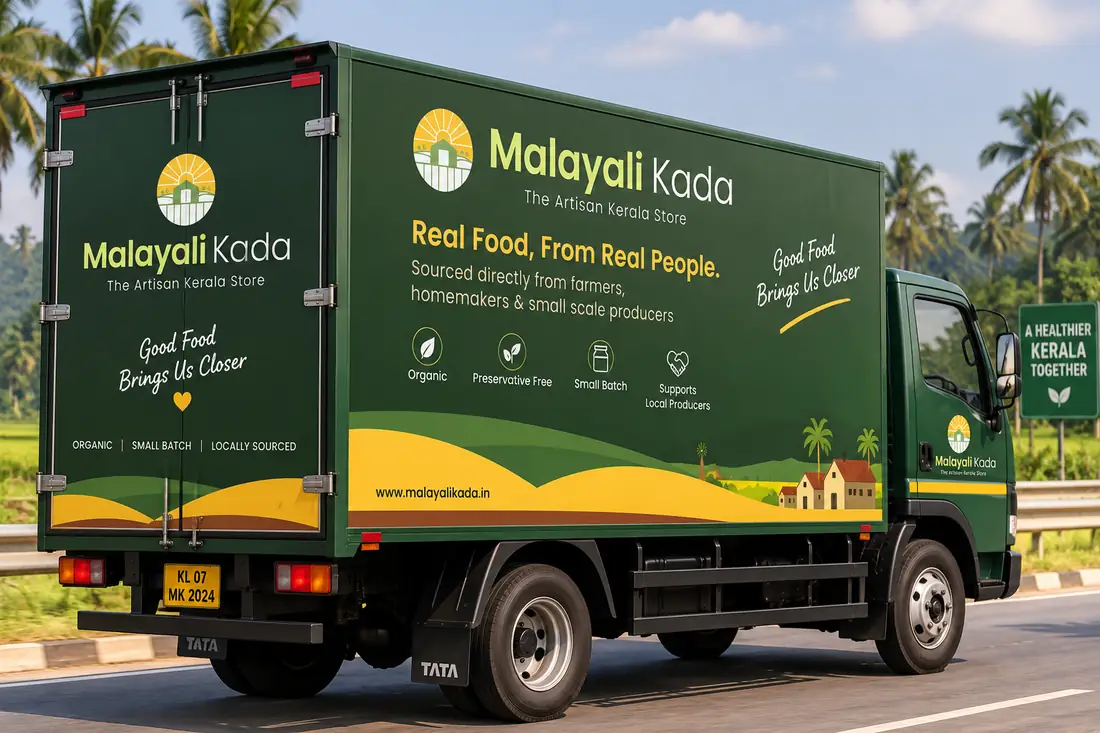
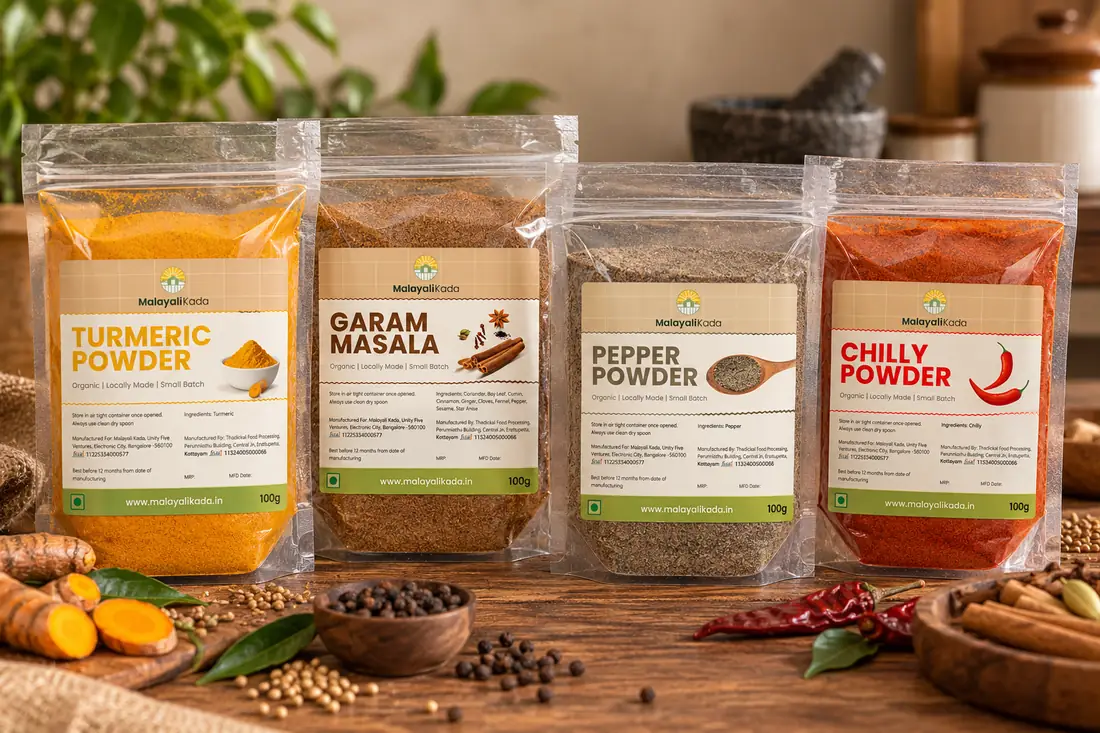
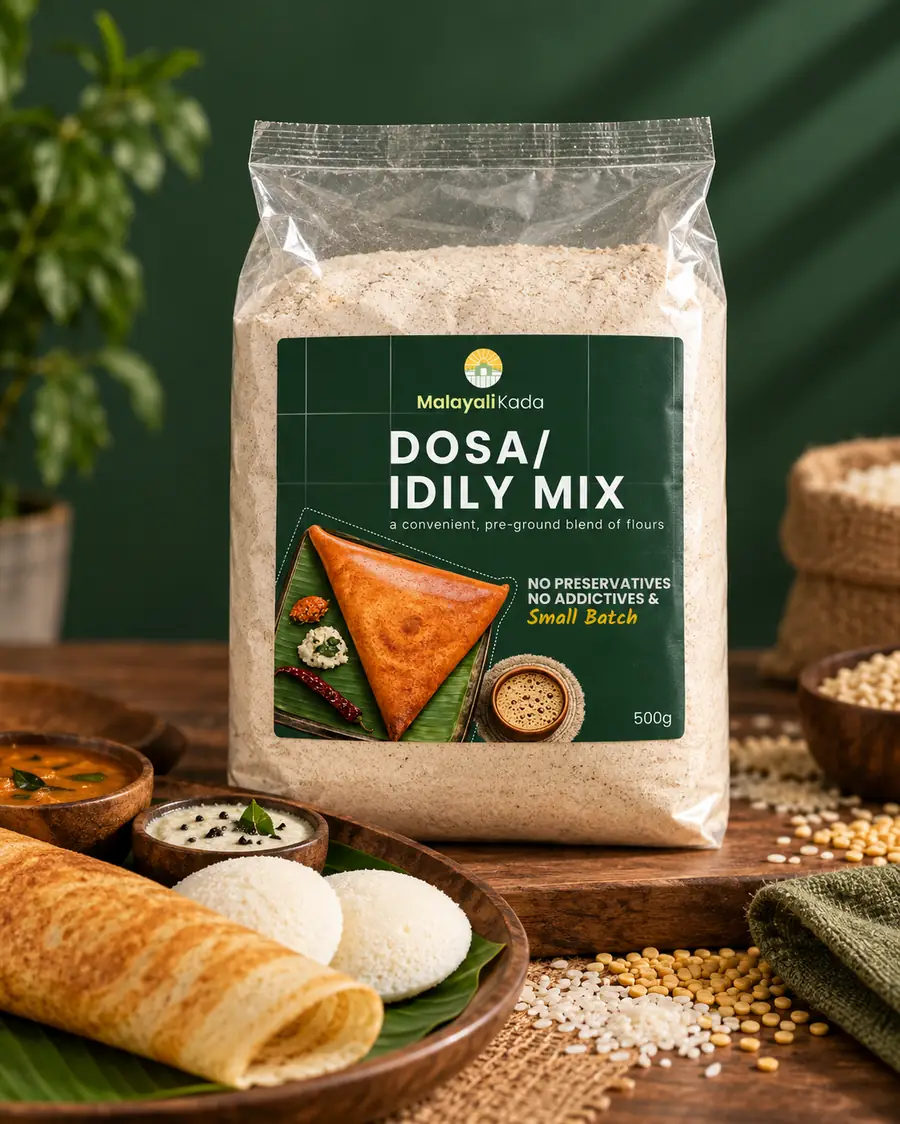
Generated with ChatGPT from our real labels and mark. These are concept renders, not real placements.


Photograph real batches from the first day. Many product photos on the store are still generated images. For a brand whose whole promise is that you can trace your food to a real kitchen, that is the one corner we shouldn't have cut. If I started again, a phone camera at every maker's house would come before the logo.